


How did your career in the art & luxury world begin?
I started a photography business at fourteen and later launched a fashion magazine when I was an undergraduate at Stanford that explored the culture, economics, and contradictions of fashion. I've always loved creative industries and that eventually led me into roles at LVMH and Gagosian.
Tell us about your new plant-based caviar company, Pearle! What was the inspiration and motivation behind its creation?
The inspiration came from years of planning and attending events for work, where caviar seemed to appear whenever something needed to feel particularly special. We use a lot of different levers to help make events feel extraordinary, and food is a big one. Caviar can feel transportive; there is the ritual and the tiny spoon. I think it's a gorgeous food.
Then I watched a video of how traditional caviar is harvested and had a bit of a moment. Sturgeon are the most endangered species group on the planet. They're also completely extraordinary creatures, basically living dinosaurs. I remember thinking: surely there must be a way to create something that fills the same celebratory culinary niche without harming these incredible fish. I followed that line of thinking, ended up making test batches in my kitchen, and eventually, that led me to start Pearle.
(And if anyone wants a surprisingly gripping read on sturgeon, I'd highly recommend The Philosopher’s Fish.)
.png)
What’s your favorite part about the New York entrepreneur community?
How little gatekeeping there is. Early on, I was constantly amazed by how generous people were with their time, introductions, and advice. You can meet someone for a coffee and, within twenty minutes, they're walking you through every expensive mistake they've made so that you don't have to make it yourself.
I also love the collaborations. One of the joys of building a food company is that you get to ask completely ridiculous culinary pairing questions for a living. What happens if we put caviar on ice cream? On a basque cheesecake? Garnishing a cocktail? Sometimes the answer is terrible. Occasionally it's brilliant. Thankfully Pearle seems to get along with more foods than it has any right to.
How did your background consulting for the world's leading luxury brands at McKinsey, working at LVMH, and serving as a director at Gagosian Gallery, inspire the style and branding of Pearle?
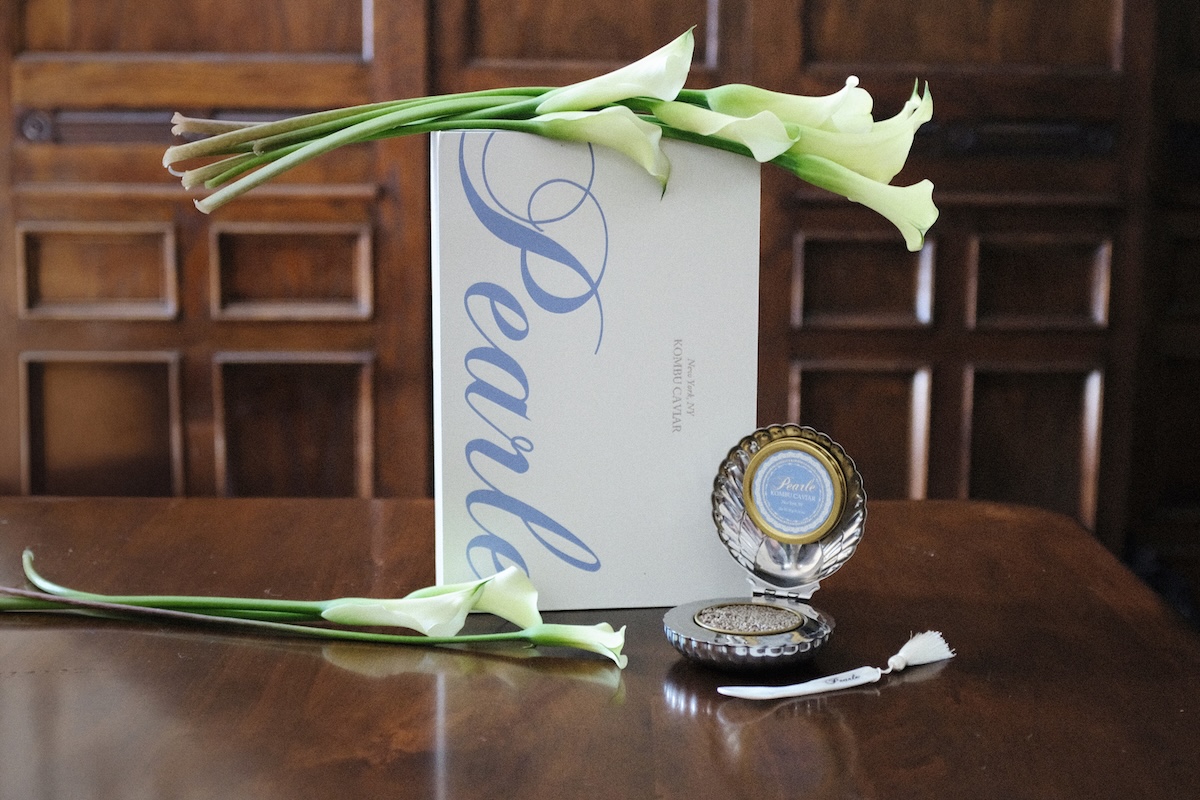
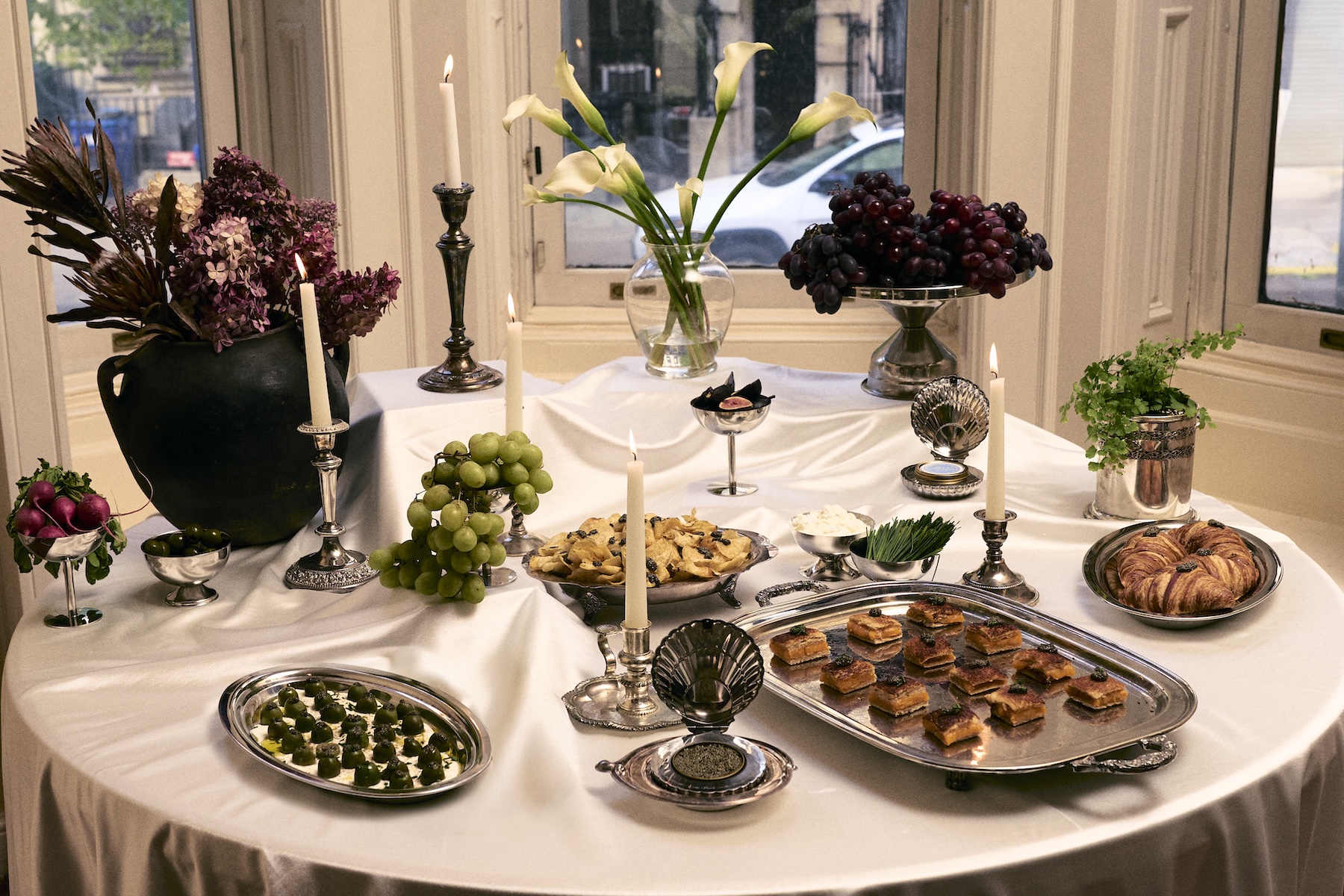
It made me obsessive about details. Every element of Pearle is intentional, from the custom mother-of-pearl tasseled spoon to the stainless-steel serving shell (and this hasn’t been officially announced yet, but we’re in the process of working with a visual artist and silversmith to make a handmade, solid silver version of our serving shell). My time at Gagosian, particularly working on exhibitions in Paris, shaped much of my visual language. Many of the references behind Pearle come from vintage objects I've collected over the years, including a silver butter dish I found at Les Puces de Saint-Ouen.
When I’m looking at shelves today, I see a lot of bold colors and modern typography in food packaging. I wanted to do the opposite. My references were old French apothecaries, jewellery boxes, Art Deco books, and old hospitality objects that felt timeless or even a little bit nostalgic.
We love that your love of design and studies in Sustainable Food and Agriculture intersect with Pearle. What has the process been like creating a texture and flavor that resembles "real" caviar?
Pearle fills the same functional role as caviar, but we aren’t trying to make a perfect imitation of sturgeon caviar. That felt like the less interesting brief.
Pearle is made from kombu, tamari, and tomato, and you can taste those ingredients. It’s briny, savoury, deeply umami, and it has a beautiful, delicate “taste of the sea” quality. Getting the texture right was the real obsession. We went through more than 50 recipes over the course of more than a year before it felt right. The goal was a pearl with a delicate membrane and a semi-liquid center, so it creates a soft and decadent “give” when you eat it.
We also spent a lot of time on the color. I didn’t want it to look flat or artificial. If you look closely inside a tin, the pearls have a great organic variation. Some are golden, some more verdant, some almost charcoal. I love that. It feels like a celebration of all the tiny inconsistencies in nature, which is much more beautiful than perfect sameness.
Follow Along: