


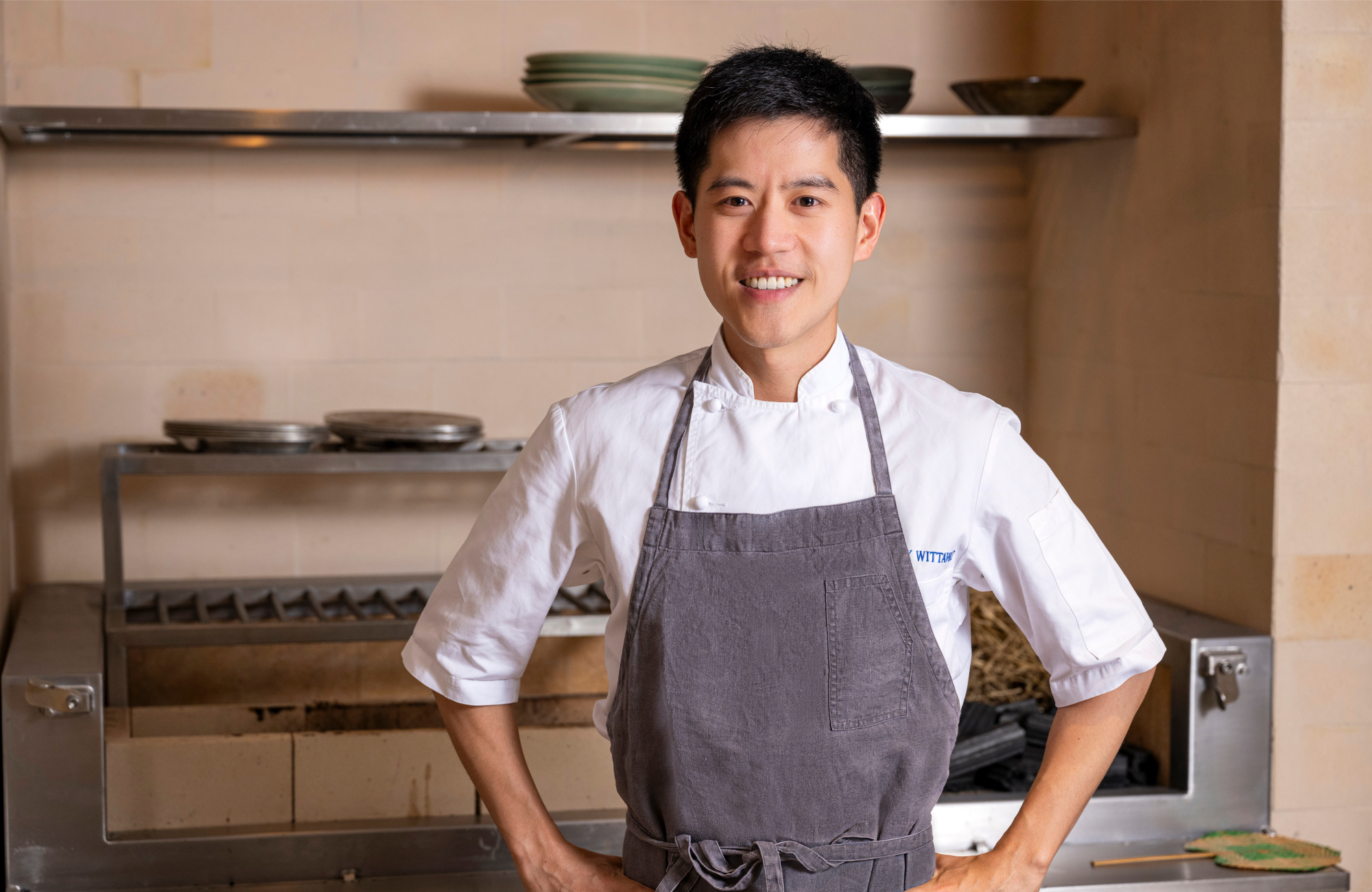
How did your career as a chef begin?
I always knew I wanted to become a chef. Growing up in Bangkok, whenever I had free time, I was reading cookbooks or going to cooking classes while my friends were taking extra academic lessons. After high school, I made a decision that was very unusual in Thailand at the time – I skipped university
and enrolled at Le Cordon Bleu instead. I was the only one in my class to choose that path, but I never questioned it because cooking was always what I wanted to do. After graduating, I had the opportunity to work alongside Chef Ian Kittichai, who introduced modern Thai cuisine to many New Yorkers through his restaurant Kittichai at the former 60 Thompson Hotel in SoHo. I worked as his first assistant for five years, and that experience shaped me in so many ways. I traveled with him, worked in restaurants around the world, helped with cookbooks and events, and first came to New York through those projects. Eventually I met Jenn Saesue, my business partner, and years later she asked if I wanted to open a restaurant together. I never imagined owning my own restaurant, but New York has always been my favorite city, and it felt like the right moment to build something here.
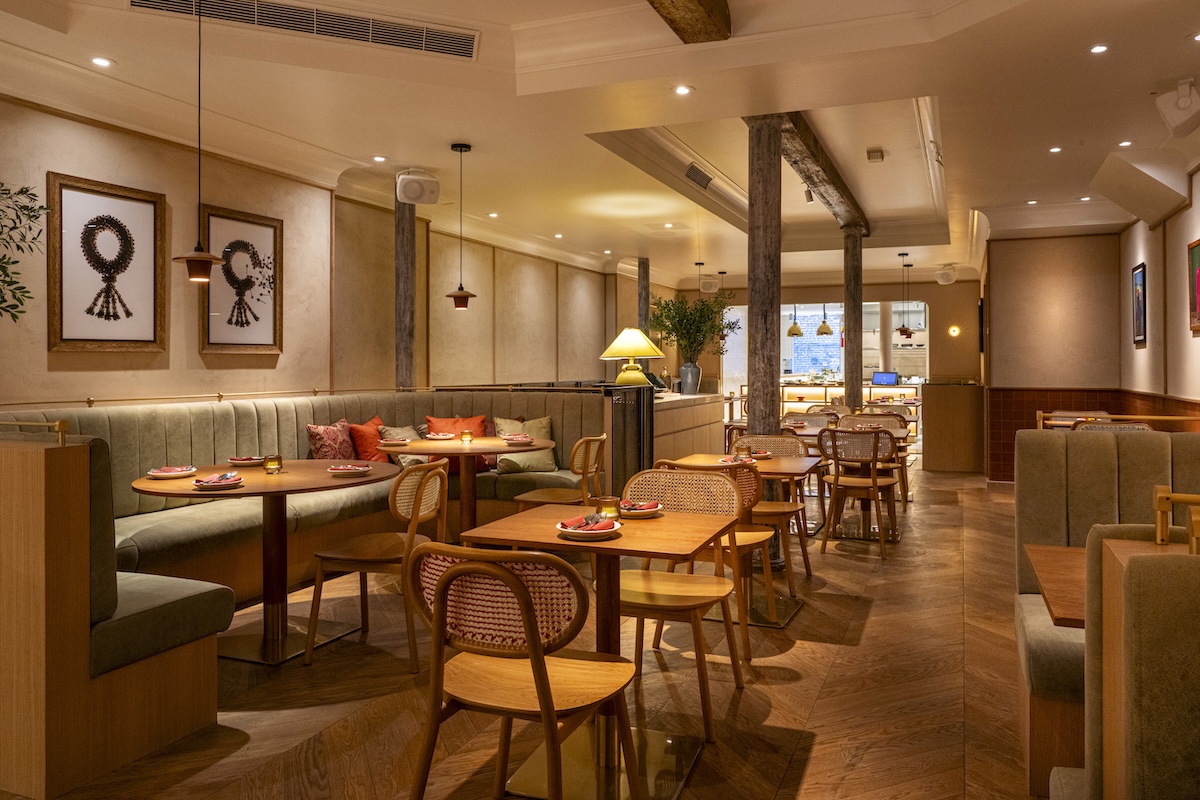
Tell us about your West Village restaurant, Bangkok Supper Club!
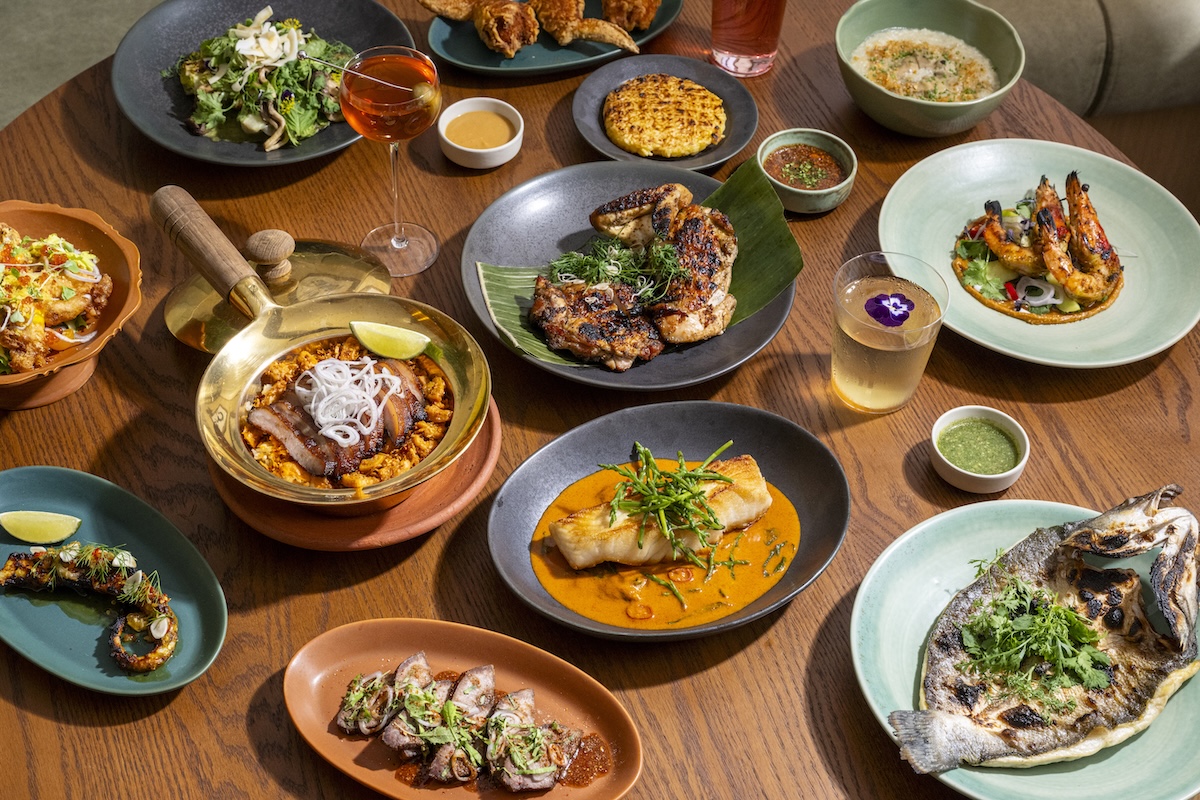
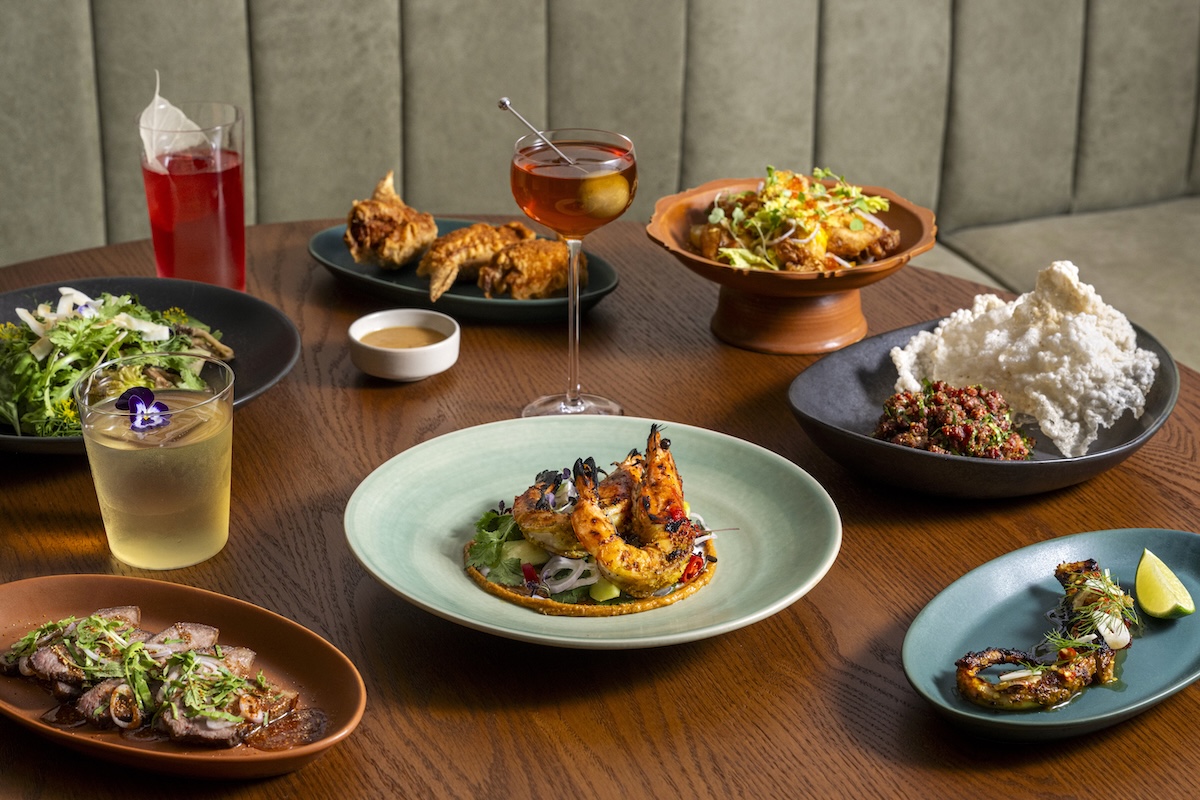
Bangkok Supper Club is my interpretation of Bangkok's late-night dining culture. I wanted to capture the energy of the city I grew up in, the places where friends gather around the table, share dishes, order another round of drinks, and stay longer than they planned. The menu is rooted in authentic Thai flavors, but we're also open to using different ingredients and techniques to show people a side of Thai cuisine they may not have experienced before. That's really what modern Thai food means to me. The West Village also means a lot personally. Every time I visited New York before moving here, it was always my favorite neighborhood to explore. We actually hoped for a different space nearby at first, but it wasn't meant to be. When we found our current home, it felt right. It's tucked away just enough to feel intimate while still being part of the neighborhood's energy. One of my favorite memories happened after we opened. A guest came into the kitchen and told me she had visited this building more than 50 years ago when it was a glass-cutting factory. I love hearing stories like that because it reminds me every restaurant becomes part of a place's history, and now we're adding our own chapter.
What’s your favorite part about the New York culinary community?
I've only lived in New York for about three years, so I'm still getting to know the community, but one thing that has really stood out is how open everyone has been. Through our collaboration dinners with restaurants like Rolo's and Theodora, I've had the chance to meet chefs I wouldn't have met otherwise.
What I love is that people here don't really judge where you come from or how long you've been around. If you're passionate, if you're putting care into your food, people are willing to support you and collaborate. That openness has made me feel very welcome, and it's one of the things I appreciate most about cooking in New York.
We love how you are bringing storytelling into the restaurant with dinner series and restaurant
collaborations. What's next for this installment of ways to broaden Bangkok Supper Club's offerings?
The collaborations will definitely continue because they've been such a great way to connect with other chefs and introduce new guests to Bangkok Supper Club. But at the same time, I'm very proud of the menu we opened with. People often ask how frequently we change the menu, but I believe a great dish deserves time. Many guests are still visiting us for the first time, and I want them to experience the menu we worked so hard to create. This fall we'll begin introducing new dishes while staying true to the spirit of Bangkok Supper Club. I'm also excited to bring the restaurant beyond New York through pop-ups and chef takeovers in other cities, sharing our perspective on modern Thai cuisine with new audiences.
What is your main inspiration in your journey to redefine what modern Thai cuisine looks like in
New York?
For me, modern Thai cuisine should never lose its soul. The flavors have to be authentic. When someone takes their first bite, I want them to immediately feel like they're in Thailand, even if the presentation, ingredients, or techniques are different from what they might expect. I'm always open to using new produce, different proteins, or new ideas if they help tell that story, but the taste has to stay true to where I come from. The most rewarding moments are when Thai guests tell me the food reminds them of home, or when someone says it brought them back to a trip or honeymoon they took in Thailand. That's the feeling I'm always trying to create. If a meal can transport someone, even for a little while, then I feel like I've done my job.